Introduction
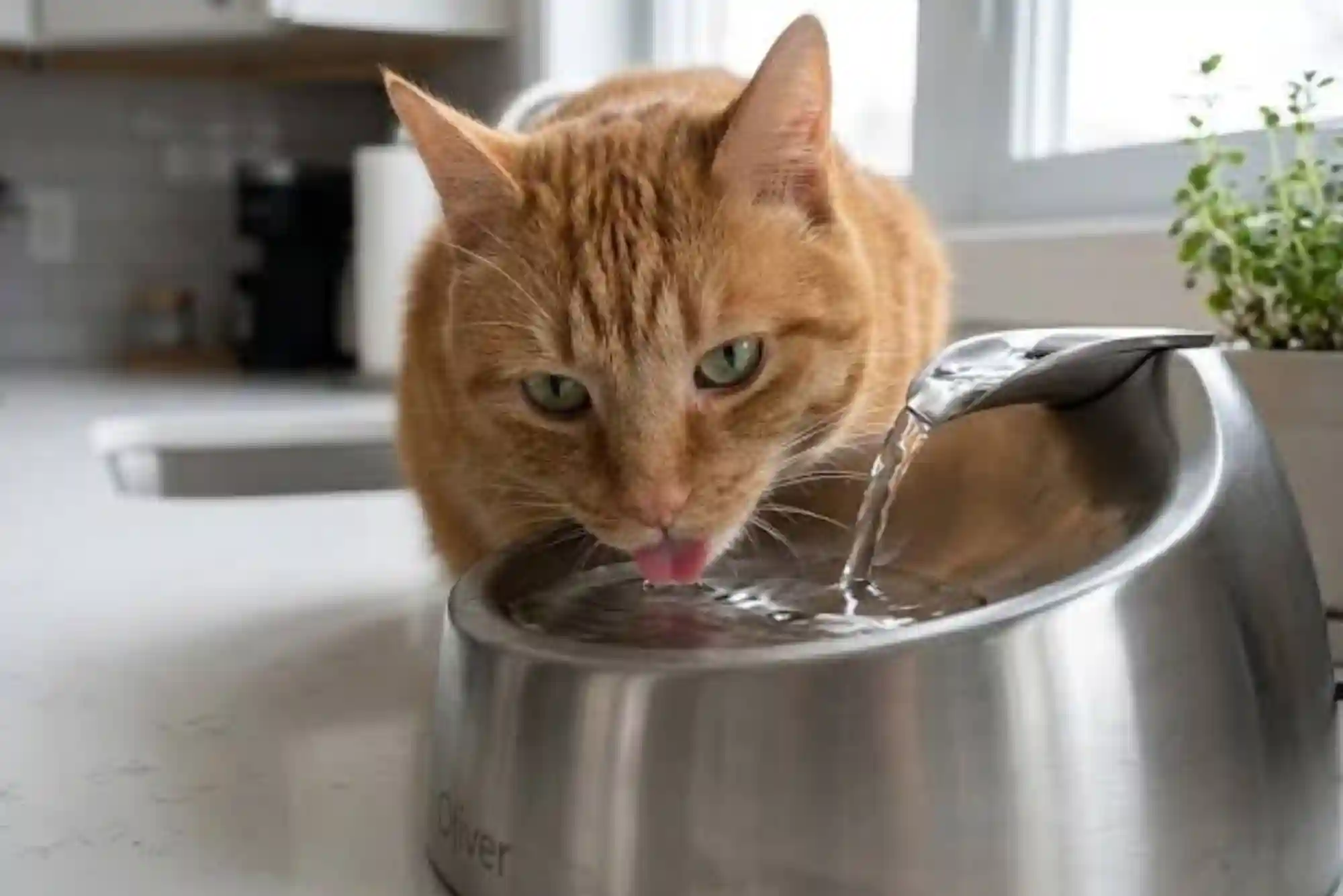
Every cat owner wants their furry friend to live a long and healthy life. Proper hydration is one of the pillars of feline wellness. Many cats dislike drinking from a stagnant water bowl. They instinctively prefer moving water because it mimics natural streams. This is where a reliable pet fountain comes into play. Not all fountains are created equal, though. Plastic fountains often harbor bacteria that trigger painful skin conditions. Upgrading to the best stainless steel cat water fountains solves this hygiene issue. Stainless steel is non-porous, durable, and easy to sanitize. It protects your cat from bacteria buildup while enticing them to drink more water. Let us explore why stainless steel is the ultimate choice for your pet.
Why Stainless Steel Beats Plastic and Ceramic
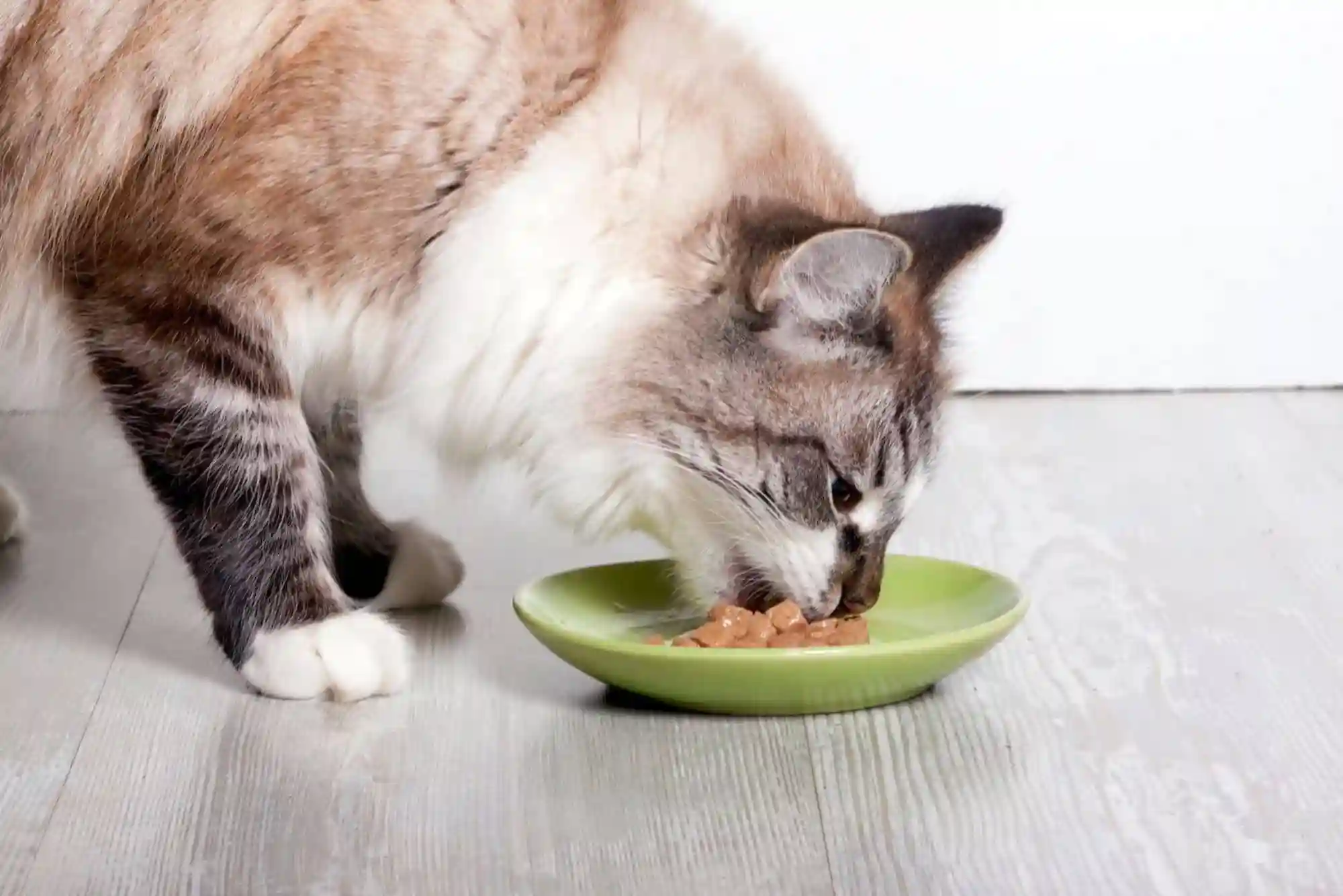
Choosing the right material for your cat water fountain matters immensely. Plastic bowls develop microscopic scratches over time. These tiny grooves trap food debris, saliva, and bacteria. Regular washing often fails to reach these deep crevices. When your cat drinks, their chin rubs against this contaminated surface. This direct contact frequently leads to feline chin acne. Feline chin acne causes blackheads, swelling, and secondary bacterial infections. Ceramic fountains offer a better alternative to plastic. However, they are heavy and prone to chipping if dropped. Chipped ceramic exposes porous clay underneath, which also breeds bacteria. Stainless steel completely eliminates these safety hazards. It features a smooth, impervious surface that bacteria cannot penetrate. Furthermore, stainless steel resists rust and withstands daily wear and tear. Dishwasher-safe options make deep cleaning a breeze for busy pet parents. By switching to steel, you protect your cat’s delicate skin.
Understanding Feline Chin Acne and Dehydration Risks
Feline chin acne is a frustrating and uncomfortable skin disorder. It typically manifests as stubborn blackheads or pimples on the chin. Severe cases progress into painful pustules and hair loss. Vets often treat this condition with medicated washes and antibiotics. Preventing the root cause is always better than treating the infection. Plastic pet dishes remain the primary culprit behind repeated breakouts. Bacteria thrive in the warm, moist environment of a dirty water bowl. When your cat drinks, their chin touches the contaminated rim. Eliminating plastic dishes drastically reduces acne flare-ups. Dehydration poses an equally dangerous threat to domestic cats. Many cats suffer from chronic low-level dehydration because they ignore stagnant bowls. Dehydration strains their kidneys and urinary tract over time. Kidney disease and urinary blockages are major health risks for adult cats. Providing fresh, circulating water encourages cats to drink more frequently. Increased water intake flushes out toxins and supports optimal kidney function. Combining hygiene and hydration keeps your cat thriving for years.
Key Features to Look For in a Quality Fountain
Finding the right water fountain requires careful evaluation of several features. Motor noise level is often the first thing owners consider. A loud, buzzing pump can frighten timid cats away from the station. Look for fountains equipped with ultra-quiet submersible pumps. Filtration systems also play a crucial role in water quality. Multi-stage filters usually combine cotton mesh, activated carbon, and ion-exchange resin. These components remove pet hair, dust, heavy metals, and unpleasant odors. Ease of assembly and cleaning is another vital consideration. If a fountain is too difficult to take apart, cleaning gets neglected. Choose models with simple designs that disassemble in seconds. Water capacity matters based on how many pets you own. Multi-cat households need larger reservoirs to prevent the bowl from running dry. Cord length and safety mechanisms, such as auto-shutoff features, add extra peace of mind. Investing in a well-designed fountain saves you time and prevents veterinary bills.
Top Stainless Steel Fountain Designs for Every Home
Different living spaces require different styles of pet water fountains. Some cats prefer a gentle, bubbling stream of water. Others love a free-falling faucet style that mimics a running tap. Fountains with adjustable flow rates let you customize the stream for your pet. Elevated fountains offer ergonomic benefits for older cats or arthritic joints. They do not have to bend their necks all the way to the floor. Sleek, minimalist designs blend seamlessly into modern kitchen or living room decor. Cordless or battery-operated stainless steel fountains provide versatile placement options. You can place them anywhere in the house without worrying about wall outlets. Dual-flow models allow you to create multiple drinking zones for multi-cat homes. Evaluating your cat’s unique preferences ensures you choose the ideal model. Watching how your cat interacts with water helps guide your final purchase.
Tips to Transition Your Cat to a New Fountain
Introducing a new water fountain can sometimes cause hesitation in cautious cats. Cats are creatures of habit who dislike sudden changes in their environment. Set up the new stainless steel fountain right next to their old water bowl. Leave the old bowl in place for the first few days. Let your cat inspect the fountain while it is turned off if they seem nervous. Once they show curiosity, plug the fountain in on the lowest flow setting. Adding a few ice cubes can make the moving water even more enticing. Never force your cat or push their face toward the water stream. Positive reinforcement and patience always yield the best results during transitions. Keep the fountain exceptionally clean to maintain fresh-tasting water. Cats have an acute sense of smell and reject stale or slimy water instantly. Regular maintenance guarantees your cat continues to use their new hydration station.


Frequently Asked Questions About Cat Water Fountains
How often should I clean my stainless steel cat fountain?
You should wash the fountain basin and replace the water every three to four days. Deep clean the pump and replace the carbon filter every two to four weeks. Regular cleaning prevents slime buildup and keeps the motor running smoothly.
Can stainless steel fountains rust over time?
High-grade food-safe stainless steel is highly resistant to rust and corrosion. However, neglecting hard water buildup can cause mineral deposits to form. Using filtered water and cleaning regularly prevents any surface discoloration or mineral damage.
Why does my cat play with the water stream instead of drinking?
Many cats possess a strong predatory and investigative instinct. Moving water catches their attention as a dynamic toy. Providing interactive toys elsewhere can help redirect this playful energy away from the drinking station.
Is a stainless steel fountain safe for cats with acne?
Yes, stainless steel is the safest material for cats prone to chin acne. Unlike plastic, it does not harbor acne-causing bacteria in micro-scratches. Pairing a steel fountain with daily bowl washings clears up skin issues effectively.
Conclusion
Prioritizing your cat’s health starts with clean water and proper hygiene. Transitioning away from plastic bowls protects your pet from painful chin acne. Investing in a premium stainless steel fountain guarantees safe, bacteria-free hydration. Your cat will drink more water, stay active, and avoid serious kidney issues. Browse our curated collection of top-rated stainless steel fountains today. Find the perfect model to keep your beloved feline happy and healthy.