Introduction
Switching your feline companion from a crunchy kibble diet to a moisture-rich canned diet is one of the best health decisions you can make. Many pet parents worry about digestive upset during this transition. Knowing how to switch cat food from dry kibble to wet food without upset stomach ensures your cat stays happy and healthy.
Cats are notoriously creatures of habit who possess sensitive digestive systems. A sudden change in diet often leads to vomiting, diarrhea, or a complete food strike. Fortunately, with patience and the right strategy, you can make this dietary upgrade seamless. Let us explore the expert-approved steps to transition your cat safely.
Why Transitioning to Wet Food Matters
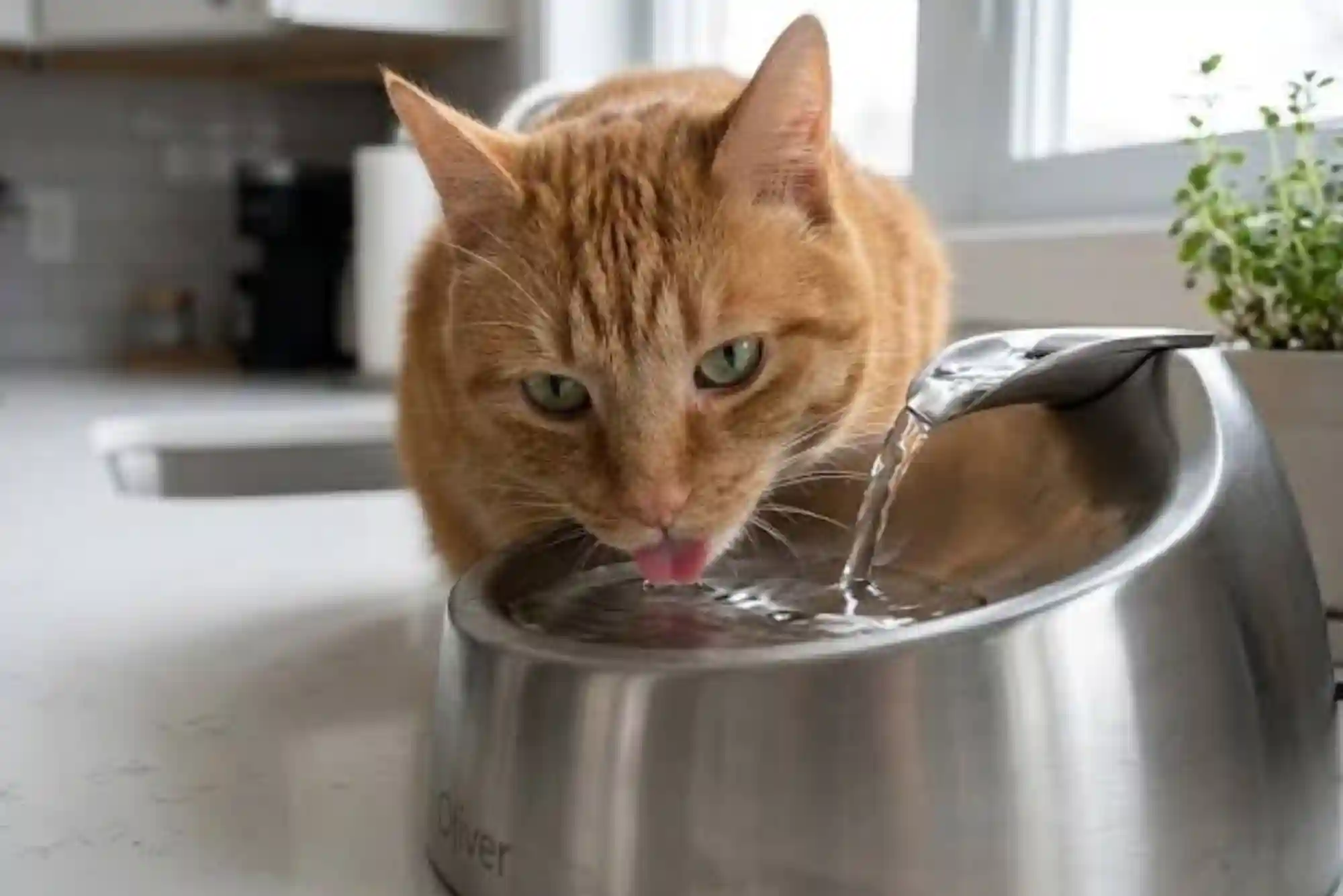
Before diving into the transition method, understanding the benefits helps keep you motivated. Dry kibble typically contains high carbohydrate levels and very little moisture. In contrast, wet food closely mimics a cat’s natural ancestral diet. It provides superior hydration that protects kidney and urinary tract health.
Hydration is vital for felines because cats have a low thirst drive by nature. In the wild, they get most of their water from their prey. Canned food helps prevent common issues like feline lower urinary tract disease and chronic dehydration. Furthermore, wet food is generally higher in protein and lower in calories, helping manage obesity.
Understanding Feline Digestive Sensitivity
Cats possess a delicate microbiome residing within their gastrointestinal tracts. Their gut bacteria adapt specifically to whatever food they eat regularly. Introducing a completely new texture and ingredient profile overnight shocks this delicate microbial balance. This shock is precisely what triggers acute gastrointestinal distress.
Gradual exposure allows beneficial gut bacteria time to multiply and adapt to the new nutrients. Slow transitions give the digestive enzymes time to adjust to higher protein and moisture content. Rushing this process usually results in messy litter box episodes and unnecessary vet visits.


The Golden Rule of Slow Transitioning
Patience remains your absolute best friend when modifying a cat’s menu. Never swap their entire bowl of kibble for a can of wet food in one sitting. Most veterinarians recommend a transition period lasting anywhere from seven to fourteen days.
Some extremely stubborn cats might require an even longer timeline spanning three to four weeks. Always monitor your cat closely for signs of digestive upset throughout each stage. If loose stools occur, simply slow down the pace and stay on the current ratio longer.
Transition Schedule
Days One and Two
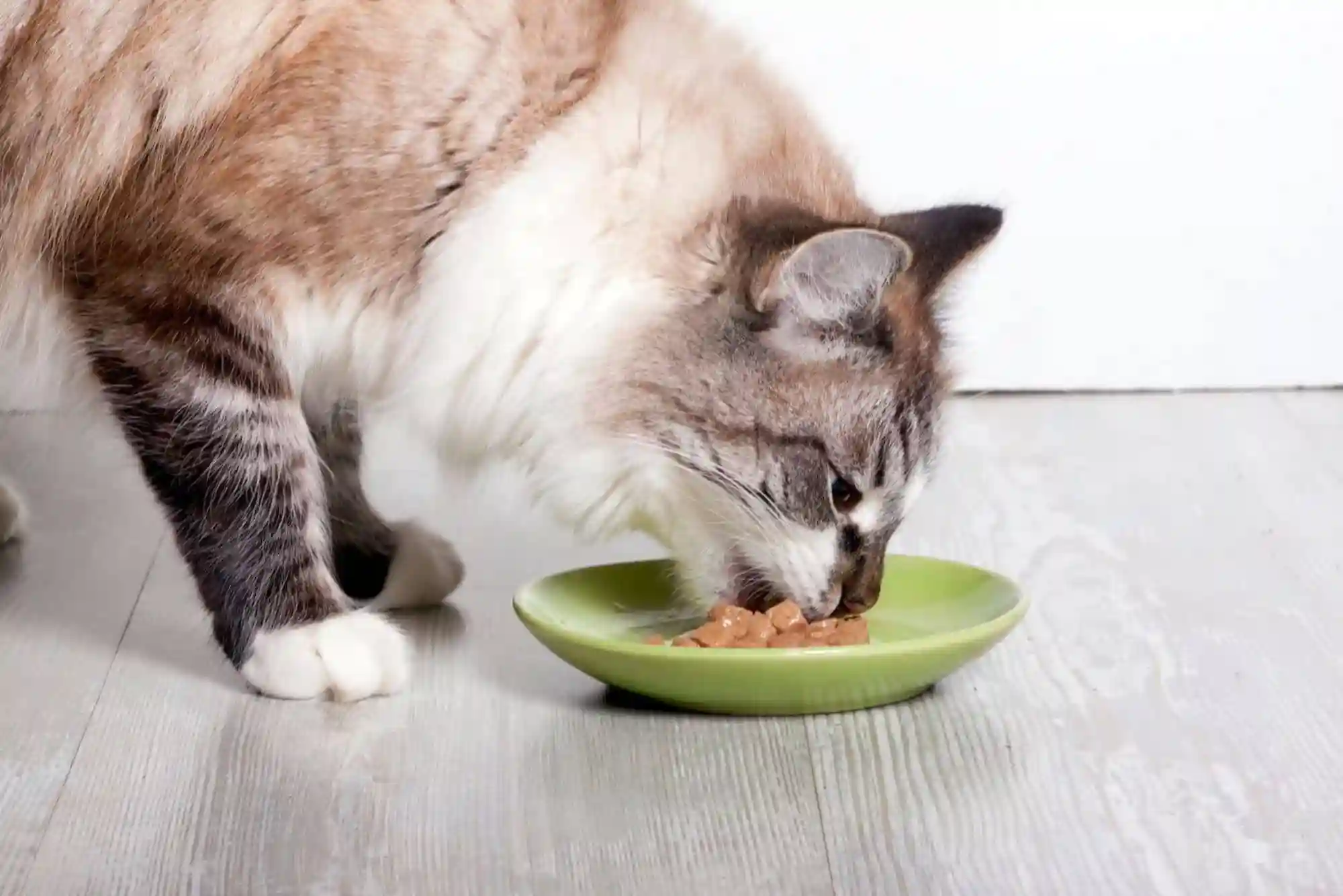
Begin by mixing a tiny fraction of wet food into their regular dry kibble. A teaspoon of wet food mixed thoroughly into their usual portion works wonders. The goal here is simply getting them accustomed to the new aroma and texture.
Most cats will eat around the wet food initially, which is completely normal. Do not force them or stress out if they leave the wet morsels behind. Consistency during these initial days builds familiarity without triggering food aversion.
Days Three to Five
Once your cat readily eats the initial mixture without hesitation, increase the wet food portion. Mix roughly twenty-five percent wet food with seventy-five percent dry kibble. Ensure you blend them well so the kibble absorbs some of the rich wet food scent.
Warm the wet food slightly in the microwave for a few seconds to enhance its aroma. Cats experience food heavily through their sense of smell, and warming activates delicious odors. Always test the temperature on your wrist before serving to prevent accidental burns.
Days Six to Eight
Progress to a fifty-fifty split between wet food and dry kibble. At this stage, your cat’s digestive system has already begun adapting to the new nutrient profile. Keep a close eye on their stool firmness and daily energy levels.
If your cat refuses to eat a fifty-percent mixture, do not panic or give up. You can sprinkle a tiny pinch of crushed dry kibble on top as a temporary topper. This trick often convinces hesitant eaters to give the meal a fair chance.
Days Nine to Eleven
Increase the wet food portion to seventy-five percent while reducing dry kibble to twenty-five percent. By now, the transition is nearing its successful completion. Your cat should look forward to mealtime with enthusiasm rather than suspicion.
Maintain a calm feeding environment during these crucial days to avoid creating mealtime anxiety. Feed them in a quiet room away from loud noises or other household pets.
Days Twelve and Beyond
You can now eliminate dry kibble entirely and serve one hundred percent wet food. Congratulations on successfully helping your feline friend make this wonderful nutritional upgrade. Continue monitoring their weight, coat condition, and litter box habits over the coming weeks.
Remember that every cat moves at an entirely unique pace during dietary shifts. Some adapt within a week, while others test your patience for a full month.
Tips for Dealing with Stubborn Cats
Felines are famous for rejecting unfamiliar foods due to a phenomenon called neophobia. If your cat turns up their nose at wet food, you need clever workarounds. Texture plays a massive role in whether a cat accepts or rejects canned food.
Some cats prefer smooth pates, while others go crazy for shredded chunks in gravy. Experiment with different protein sources like chicken, turkey, or rabbit to find their favorite. Premium pet stores often provide single cans so you can test flavors without wasting money.
Avoid leaving wet food sitting out in the open for more than thirty minutes. Spoiled canned food attracts bacteria and turns off finacious felines instantly. Refrigerate leftovers promptly and bring them to room temperature before the next feeding.
Monitoring Your Cat’s Health During the Switch
Watching closely for any warning signs during the transition protects your cat’s wellbeing. Mild gas or slightly softer stool can happen occasionally as the gut adjusts. However, severe vomiting, watery diarrhea, or lethargy demand immediate veterinary attention.
Check the litter box daily to track changes in stool consistency and frequency. Healthy digestion means well-formed stools that resemble logs rather than puddles. If discomfort arises, step back to the previous ratio for a few days before proceeding.
Frequently Asked Questions
How long does it take to switch a cat from dry to wet food?
The transition typically takes between seven to fourteen days when done gradually. Some sensitive or stubborn cats may require up to four weeks to adjust completely without experiencing digestive upset.
What should I do if my cat refuses to eat the wet food mixture?
Do not starve your cat, as this can lead to a dangerous liver condition called hepatic lipidosis. Instead, slow down the transition, try warming the food, or use a tasty meal topper.
Can I mix dry and wet food in the same bowl?
Yes, mixing them together is the best way to help your cat get used to the new texture. Over time, you gradually decrease the dry kibble until only wet food remains.
Is it normal for a cat’s stool to change when switching food?
Slight temporary changes can occur as the gut microbiome adjusts to new ingredients and higher moisture. Persistent diarrhea or vomiting is not normal and requires veterinary evaluation.
Conclusion
Switching your feline companion to a canned diet requires patience, observation, and a structured strategy. Following a gradual timeline prevents tummy troubles and helps your cat embrace the healthier lifestyle. Prioritizing their nutrition today pays off with a longer, happier life.