
Introduction
Winter brings magical snowy landscapes, but it also introduces hidden dangers for our canine companions. Many pet owners assume a furry coat protects dogs from freezing temperatures. However, dogs are just as susceptible to winter weather hazards as humans are. Recognizing the signs of hypothermia and frostbite in dogs: cold weather safety temperature limits can save your pet’s life. When winter winds howl and snow blankets the ground, knowing how much cold your dog can handle is critical. Let us explore how to keep your four-legged family member safe, warm, and healthy all season long.
Understanding Safe Temperature Limits for Dogs
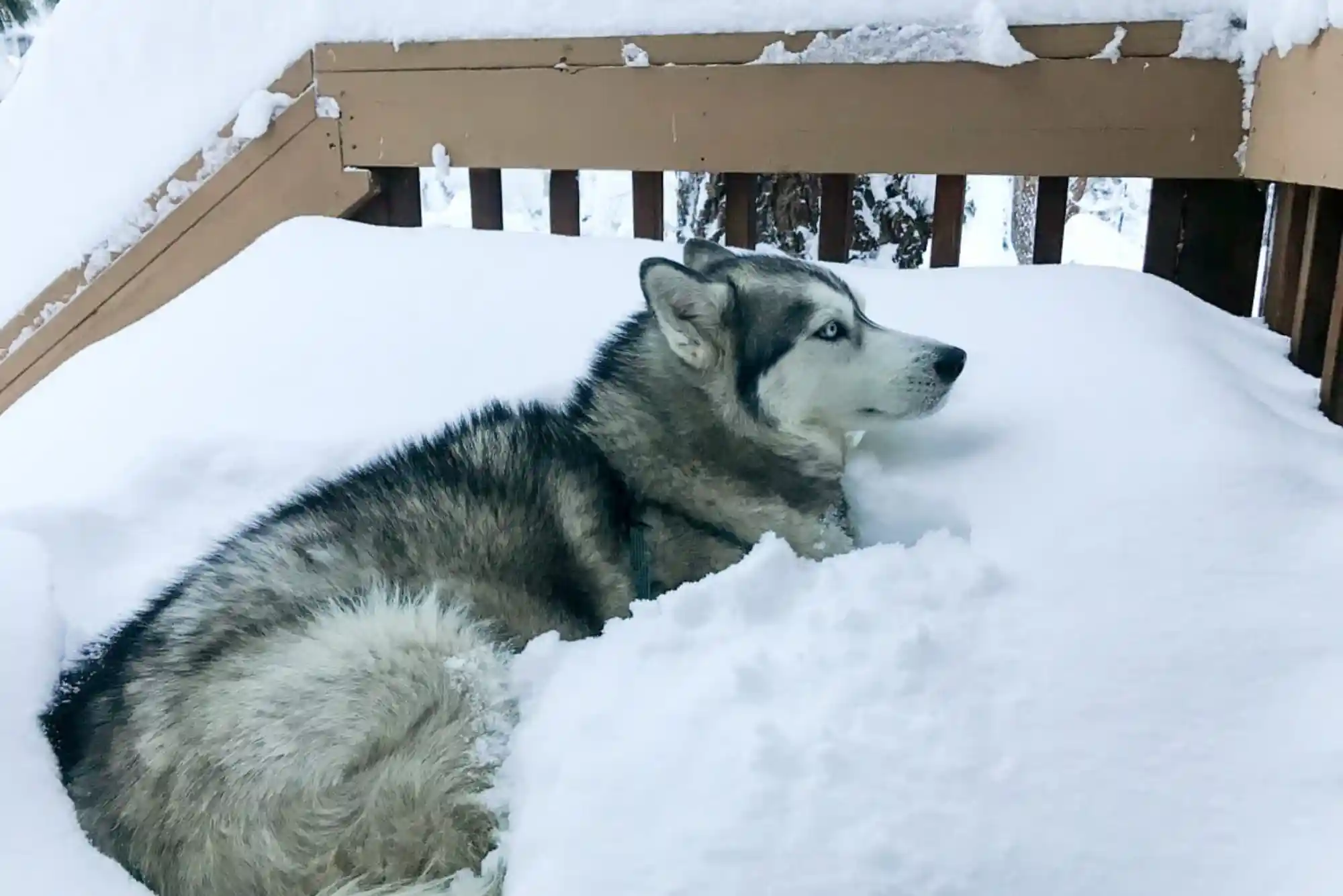
Every dog handles cold weather differently based on breed, size, coat thickness, and health status. A thick-coated Siberian Husky can tolerate lower temperatures than a short-haired Chihuahua. Generally, temperatures dropping below 45 degrees Fahrenheit require caution for small or senior dogs. Once the thermometer dips below 32 degrees Fahrenheit, conditions become risky for vulnerable pets. When temperatures hit 20 degrees Fahrenheit or lower, even short walks pose a real threat of cold-related injury. Windchill factors make these low temperatures even more dangerous by stripping body heat rapidly. Owners must monitor weather reports closely before stepping outside.
Spotting the Early Signs of Hypothermia in Dogs
Hypothermia occurs when a dog’s core body temperature drops below normal levels due to prolonged cold exposure. A normal canine body temperature ranges between 101 and 102.5 degrees Fahrenheit. When this drops below 99 degrees Fahrenheit, emergency measures are needed. Initial warning signs include persistent shivering, whining, and a reluctance to continue a walk. As the condition worsens, your dog may become sluggish, clumsy, weak, or disoriented. Severe hypothermia leads to pale gums, dilated pupils, slowed breathing, and eventual loss of consciousness. Immediate action is vital if you notice these alarming symptoms.
Recognizing Symptoms of Frostbite in Dogs
Frostbite happens when extreme cold restricts blood flow to a dog’s extremities to protect vital core organs. Areas most commonly affected include ear tips, paws, tail tips, and the nose. In the early stages, frostbitten skin appears pale, gray, or bluish, and it often feels unusually cold and brittle. As the tissue warms up, it may become red, swollen, and blistered. Severe cases result in blackened, necrotic skin that requires intensive veterinary intervention. Because frostbite pain can manifest days after exposure, post-walk inspections are crucial.
High-Risk Factors That Increase Winter Vulnerability
Certain dogs face a much higher risk of cold weather injuries than others. Puppies and senior dogs struggle to regulate their body temperature efficiently. Small breeds possess a high surface-area-to-volume ratio, meaning they lose heat much faster than large dogs. Short-haired breeds lack natural insulation and feel the bite of winter almost instantly. Furthermore, dogs with underlying health conditions like heart disease, kidney disease, or arthritis face accelerated risks. Wet fur drastically amplifies these dangers by destroying insulating properties, making a dry towel essential after any snow outing.
Emergency First Aid for Cold-Weather Injuries
If you suspect your dog suffers from hypothermia or frostbite, quick thinking matters. Bring your dog indoors immediately to a warm, draft-free environment. For hypothermia, wrap your pet in warm, dry blankets and use warm water bottles to elevate their core temperature gradually. Avoid using direct, intense heat sources like heating pads or hair dryers, which can burn their skin. For frostbite, gently thaw affected areas using a cloth dampened with warm water. Never rub or massage frostbitten tissues, as friction causes further cellular damage. Contact your veterinarian right away for professional guidance and emergency care.


Practical Prevention Tips for Winter Dog Walks
Prevention remains your best defense against winter weather hazards. Limit outdoor bathroom breaks and walks to short durations when freezing temperatures strike. Outfit your canine friend in a weather-resistant dog coat that covers their chest and belly. Protect sensitive paw pads from ice, snow, and toxic de-icing salts by using protective booties or pet-safe paw wax. Wipe down your dog’s paws and belly thoroughly after every outdoor excursion to remove chemical residues and ice balls. Keep fresh water and a cozy, elevated bed waiting indoors to ensure total comfort.
Frequently Asked Questions
What temperature is too cold to walk a dog?
Temperatures dipping below 20 degrees Fahrenheit create high risks for frostbite and hypothermia, especially during windy conditions. Keep walks exceptionally brief during these deep freezes.
Can dogs get frostbite on their paws?
Yes, paws are prime targets for frostbite because they contact snow and ice directly. Using protective dog booties helps prevent this painful condition.
How long does it take for a dog to get hypothermia?
Hypothermia can set in within 30 minutes if a dog is exposed to freezing, wet, and windy conditions, though vulnerable breeds can succumb even faster.
Conclusion a
Winter weather demands extra vigilance from pet parents to ensure furry companions remain safe and comfortable. By understanding the signs of hypothermia and frostbite in dogs: cold weather safety temperature limits, you can prevent minor chills from turning into major medical emergencies. Protect your dog with proper winter apparel, limit outdoor exposure during bitter cold snaps, and monitor their behavior closely. Share this guide with fellow pet owners today, and check your dog’s winter gear supply to ensure your furry friend is ready for the chilly days ahead!