
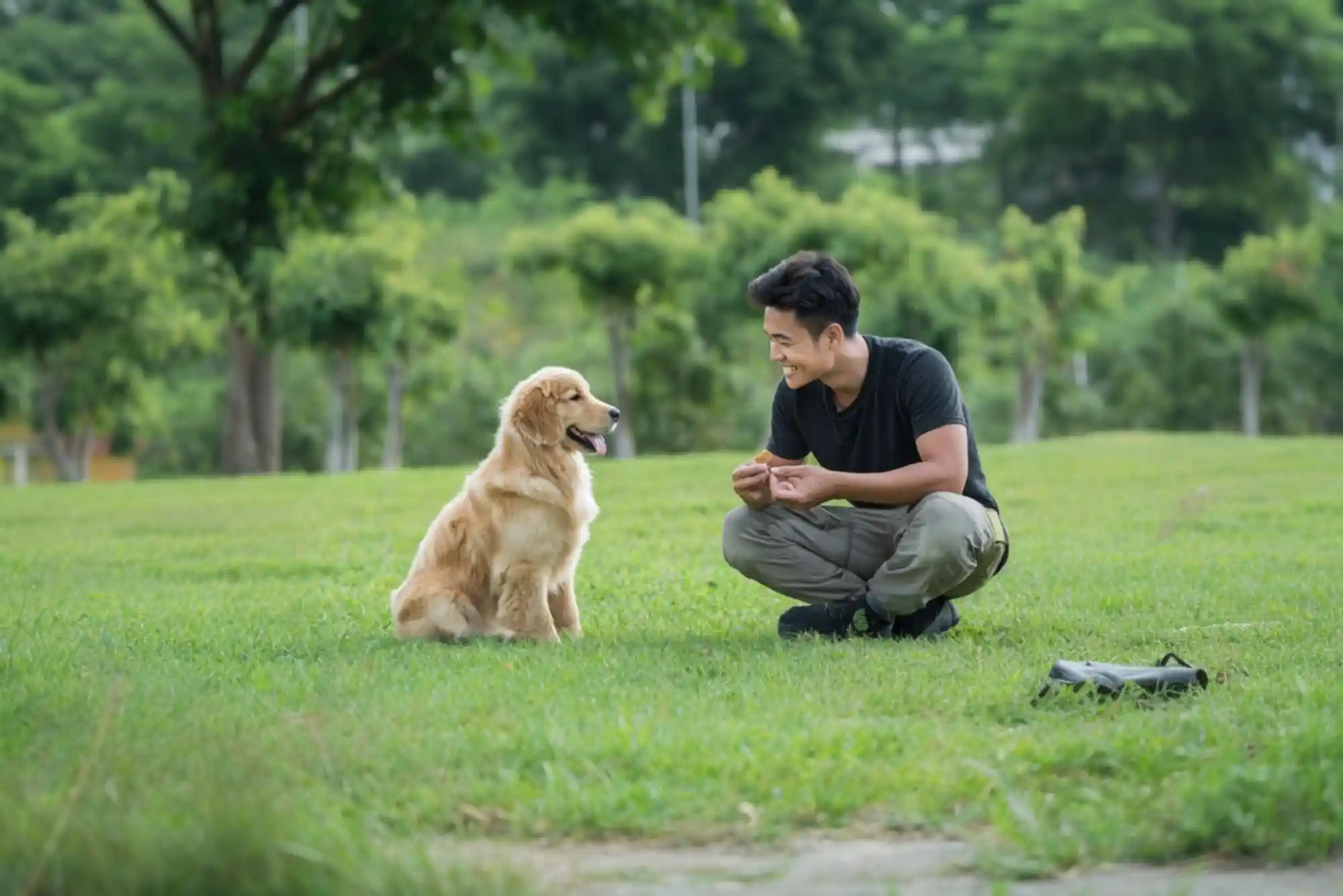
Introduction
Teaching a dog an emergency recall command is one of the most valuable skills you can develop as a dog owner. A reliable recall can help you call your dog away from a road, another animal, dangerous food, an open gate, or another potentially unsafe situation. Unlike an everyday “come” cue, an emergency recall is designed to produce an unusually fast response when the stakes are high.
The key is not to expect your dog to magically come when called in a crisis. You build that response beforehand through repetition, positive reinforcement, carefully controlled distractions, and a special cue that your dog learns to associate with an exceptional reward. Professional training guidance consistently emphasizes starting in easy environments and increasing difficulty gradually rather than testing recall around major distractions too soon.
A crucial point is that no dog can be guaranteed to respond perfectly in every imaginable situation. Even a well-trained dog can become frightened, injured, overwhelmed, or intensely focused on something. Emergency recall training therefore works best alongside sensible management, secure fencing, appropriate leashes, and identification.
What Is an Emergency Recall?
An emergency recall is a special cue that tells your dog to immediately turn away from whatever they are doing and run back to you. It can be a unique word, phrase, whistle pattern, or another sound.
The important part is that the emergency cue should have a different meaning from your ordinary recall. If you frequently use it for routine situations, such as bringing your dog inside for dinner, putting on the leash, or ending play, its value can gradually decrease.
Think of the emergency cue as a safety alarm. You want it to remain unusual, powerful, and predictable.


For example, you might choose a word such as “Here!” or “Quick!” that you do not normally use in conversation. A whistle can also work well because it carries farther than a spoken word and sounds consistent regardless of your emotional state.
The goal is to create an automatic association: emergency cue means turn around, run toward my owner, and receive something fantastic.
Why Emergency Recall Training Matters
Dogs explore the world through movement, scent, curiosity, and instinct. A dog that normally listens beautifully in the living room may behave very differently after spotting a squirrel across a field.
Recall becomes especially important when a dog is moving toward something dangerous. A successful emergency recall could interrupt a chase before the dog reaches a road or bring a dog away from an unfamiliar animal.
It also gives owners another layer of control during unexpected situations. Gates can accidentally open, leashes can break, and dogs can become startled by loud noises.
However, emergency recall should not be considered a substitute for safe handling. If your dog is not yet reliable around distractions, use a secure leash or long line instead of deliberately testing the dog off leash.
Choose a Special Emergency Recall Cue
The first step is choosing a cue that is easy to say, hear, and remember.
Avoid using a word that you already repeat throughout the day. If your dog has heard “come” hundreds of times without always responding, it may be better to create a fresh emergency cue.
Choose one short sound and use it consistently.
Your entire household should know the exact cue. Everyone should also understand that it is reserved for situations where you genuinely need the dog to return quickly.
A whistle can be particularly useful because it does not depend on the same vocal tone you use when speaking. Whatever cue you select, consistency matters more than the specific word.
Build a Powerful Association With the Cue
Before asking your dog to run toward you from a distance, teach them that the emergency cue predicts something extraordinary.
Start inside your home when your dog is relaxed. Say the emergency cue once, then immediately deliver an exceptionally valuable reward.
You are not asking the dog to perform anything at first. You are simply creating an association between the sound and an excellent outcome.
Use rewards your dog genuinely loves. Small pieces of cooked chicken, another appropriate high-value food, or a favorite toy can work depending on what motivates your individual dog.
Repeat this process during several short sessions. The objective is for your dog to become excited as soon as they hear the cue.
This process is sometimes described as “charging” the recall cue. The sound itself becomes meaningful because it has repeatedly predicted something wonderful. A separate emergency cue and exceptionally valuable reward are commonly recommended for building this type of recall.
Teach the Actual Emergency Recall
Once your dog is excited by the cue, begin asking for movement.
Stand only a few feet away. Use the emergency cue once, then encourage your dog toward you with an enthusiastic voice and welcoming body language.
When your dog reaches you, immediately provide a generous reward.
Make the arrival feel like a celebration rather than a routine obedience exercise. Your timing matters. The reward should arrive immediately after the dog reaches you so the dog clearly understands what behavior earned it.
Do not call repeatedly.
If you say the cue several times while your dog ignores you, you risk teaching your dog that the first sound does not matter. If your dog struggles, make the exercise easier by decreasing the distance or removing distractions.
Successful repetitions are much more valuable than repeatedly giving a cue your dog cannot yet perform.
Make Coming All the Way to You Part of the Behavior
Some dogs learn to turn toward their owner but stop several feet away. That is not ideal for an emergency.
Your dog should learn to come close enough that you can safely reach the collar or harness.
This can be taught without grabbing or frightening the dog. When your dog arrives, calmly touch the collar or harness, reward generously, and then release them.
This teaches an important lesson: being caught after recall is normal and safe.
It also prevents a common problem in which a dog runs toward the owner but immediately dodges away when the owner’s hand reaches for the collar.
Practice Emergency Recall With Games
Emergency recall should feel exciting, not like a boring obedience drill.
One useful approach is to have two people stand a short distance apart. One person gives the emergency cue while the other person remains neutral. When the dog runs to the caller, the caller rewards generously.
You can gradually increase the distance as the dog becomes more reliable.
Another useful exercise is hiding in an easy, safe location inside the house and using the emergency cue. When your dog finds you, make the reward exciting.
You can also practice during normal play. When your dog is mildly engaged with a toy, give the cue and reward the return. Afterward, sometimes resume the game.
That last part is important. Your dog should learn that coming to you does not automatically mean the fun is finished.
Gradually Add Distance and Distractions
A dog that responds perfectly inside your kitchen has not necessarily learned emergency recall outdoors.
Dogs do not automatically generalize a behavior from one environment to another. The same cue can become much harder when there are smells, birds, people, dogs, vehicles, or unfamiliar surroundings.
Move gradually from the house to a secure yard and then to controlled outdoor environments.
A long training line can provide an important safety net when practicing outdoors. It allows your dog to experience greater distance while preventing them from simply running away if they make a mistake.
Increase only one major challenge at a time. If you add distance, distractions, unfamiliar surroundings, and other dogs simultaneously, you may make the exercise unnecessarily difficult.
If your dog starts ignoring the cue, that is information. The training level is probably too difficult. Move back to an easier environment and rebuild success.
Use a Jackpot Reward for Emergency Recall
An ordinary recall might earn one treat. An emergency recall should feel different.
When your dog responds correctly, use a jackpot: several small treats delivered one after another, enthusiastic praise, a favorite game, or another reward your dog considers exceptionally valuable.
The reward should be special enough that your dog notices the difference between an ordinary “come” and the emergency cue.
Do not use that jackpot casually throughout the day. Its special value comes partly from its predictability and rarity.
Most importantly, pay every successful emergency recall. You are protecting the behavior you may someday depend on.
Never Punish Your Dog After a Recall
This is one of the most important rules in recall training.
Suppose your dog escapes through an open door, runs around the neighborhood, and finally returns when you use the emergency cue. You may understandably feel frustrated or frightened.
Do not punish the dog when they arrive.
From the dog’s perspective, they responded to the recall and then received an unpleasant consequence. That can weaken the association you worked hard to build.
Instead, secure your dog calmly, address the reason they escaped, and reward the return.
Reward-based recall training relies on making the dog’s decision to return consistently worthwhile. Punishment can create hesitation or avoidance around the recall cue.
Avoid Poisoning Your Emergency Cue
A recall cue can lose its effectiveness when it repeatedly predicts unpleasant experiences.
For example, if every recall ends with the leash going on and the walk ending, your dog may eventually decide that ignoring the cue is more rewarding.
The emergency cue deserves even more protection.
Do not use it casually because your dog is slightly out of reach. Do not use it to call your dog for a bath, nail trim, medication, or another unpleasant event.
For everyday situations, use your normal recall or simply go and collect your dog when appropriate.
Protecting the emergency cue means treating it as a valuable safety tool rather than an ordinary command.
What to Do if Your Dog Ignores the Cue
Do not panic or chase your dog.
Chasing can accidentally turn the situation into a game, especially for playful dogs. Instead, use your trained emergency strategy and make yourself as attractive as possible.
If you are still training and your dog ignores the cue, do not keep repeating it. Secure your dog using the long line if one is attached and safe to use, then lower the difficulty during your next training session.
Repeated failures are not proof that your dog is stubborn. They usually mean the situation has become harder than the current level of training.
Recall training is a gradual process. A dog may be excellent indoors but unreliable around wildlife, other dogs, or fast-moving distractions. That is why controlled progression is so important.
How Often Should You Practice Emergency Recall?
Short, successful sessions are better than exhausting your dog with long drills.
You can practice the association and response regularly in everyday life, but keep the emergency cue special. The training should remain enjoyable and predictable.
Over time, practice in different safe environments so your dog learns that the cue has the same meaning whether you are inside the house, in the yard, or somewhere unfamiliar.
There is no universal number of days required to create a reliable recall. Some dogs progress quickly, while others need months of careful proofing. Age, temperament, previous training, breed tendencies, distractions, and the quality of reinforcement can all affect progress.
When Is It Safe to Practice Off Leash?
Do not use an emergency recall as an excuse to test your dog off leash in an unfenced or dangerous area.
Off-leash freedom should come after your dog has demonstrated strong recall under progressively harder conditions, not simply because they respond well inside your home.
A secure fenced area is the safest place to begin off-leash practice. In open areas, continue using a suitable long line until your dog has earned greater freedom through consistent success.
Even highly trained dogs can make mistakes. A squirrel, sudden noise, unfamiliar animal, injury, or moment of fear can override a previously reliable response.
Good training combines obedience with management. The goal is not to prove that your dog can ignore safety equipment. The goal is to give your dog more freedom while keeping the consequences of a mistake manageable.
Common Emergency Recall Mistakes
One of the biggest mistakes is expecting too much too soon. Owners sometimes teach “come” indoors and immediately test it at a busy park. That skips the proofing process.
Another problem is repeating the command. Saying “come, come, come!” can teach the dog that responding to the first cue is optional.
Using low-value rewards can also reduce motivation. If your dog gets the same dry kibble all day, it may not compete effectively with an exciting outdoor distraction.
Calling only when something fun is ending is another common mistake. Your dog can quickly learn that returning means losing freedom.
Finally, never punish a dog for eventually coming back. Even if the recall was slow, reinforce the return and improve the training plan afterward.
Emergency Recall Is a Lifelong Skill
The best emergency recall is not something you teach once and then forget.
Dogs learn through reinforcement and repetition. Even after your dog becomes reliable, occasional practice helps maintain the behavior.
Continue making the recall worthwhile. Occasionally surprise your dog with an especially generous reward. Practice in safe environments. Keep the cue protected and avoid wasting it.
Most importantly, remember that emergency recall is about building a history of trust. Your dog learns that when you make that special sound, running toward you is always the best decision.
Build a Recall You Can Trust
Learning how to teach a dog an emergency recall command takes patience, consistency, and thoughtful progression. Start with a unique cue, pair it with exceptional rewards, teach the response in a quiet environment, and gradually introduce distance and distractions. Use a long line when appropriate, reward every successful emergency recall, and never punish your dog for returning.
The goal is not to create a dog that responds perfectly because it is afraid of consequences. The goal is to create a dog that hears the emergency cue and thinks, “I need to get back to my person immediately.”
Start practicing today with a few easy repetitions in a safe environment. Build the behavior before you need it, protect the cue throughout your dog’s life, and use safe management whenever you cannot confidently predict the response.
FAQs
How do I teach my dog to come when called every time?
Start in a quiet environment and choose one clear recall cue. Say it once, encourage your dog to come toward you, and immediately reward the arrival with something highly valuable. Gradually increase distance and distractions instead of testing the dog in difficult situations too soon. Reliable recall develops through many successful repetitions and careful proofing rather than a single training session.
How do you train an emergency recall?
Choose a special cue that your dog does not normally hear. Pair that cue with an exceptionally valuable reward until your dog becomes excited when they hear it. Then practice short-distance recalls before gradually introducing distance and controlled distractions. Keep the emergency cue reserved for situations where you genuinely need an especially strong response.
Why won’t my dog come when called?
Your dog may not understand the cue well enough, the environment may be too distracting, or the reward may not be valuable compared with what the dog is doing. Dogs can also learn to ignore a recall when the cue repeatedly predicts the end of play, going home, punishment, or another unpleasant experience.
Should you punish a dog for not coming when called?
No. Punishing a dog when it finally returns can teach the dog that coming to you leads to something unpleasant. Reward the return, secure the dog safely, and then adjust the training so the next recall is easier to succeed.
What is the best recall command for a dog?
There is no single universally best word. “Come,” “here,” or a distinctive whistle can work. The important factors are consistency, clarity, and the association you build with the cue. For an emergency recall, using a unique cue that is reserved for high-value situations can help keep it especially meaningful.
How long does it take to train a dog to come when called?
Basic recall can develop relatively quickly, but a dependable recall around real-world distractions can take weeks or months. Every dog is different. The more gradually you increase distance and distractions, the more opportunities your dog has to succeed and build a reliable habit.
Can an older dog learn emergency recall?
Yes. Older dogs can learn new recall behaviors. Training may take more patience if the dog has years of experience ignoring a particular cue, so a fresh emergency cue can sometimes be useful. Start with easy repetitions and build gradually.
What should I do if my dog runs away and ignores recall?
Avoid chasing if possible, because chasing can encourage the dog to continue running. Use your practiced recall strategy, keep your voice inviting, and avoid turning the eventual return into a punishment. For future training, use secure equipment such as a suitable long line while building reliability.